

Credit Basics
•
Oct 6, 2026
Credit Reports Explained
What the three bureaus collect, how tradelines and inquiries appear, and the federal rights you hold over your own file.
The three-digit number that prices your borrowing: what scoring models measure, where the ranges sit, and which behaviors actually move the number.
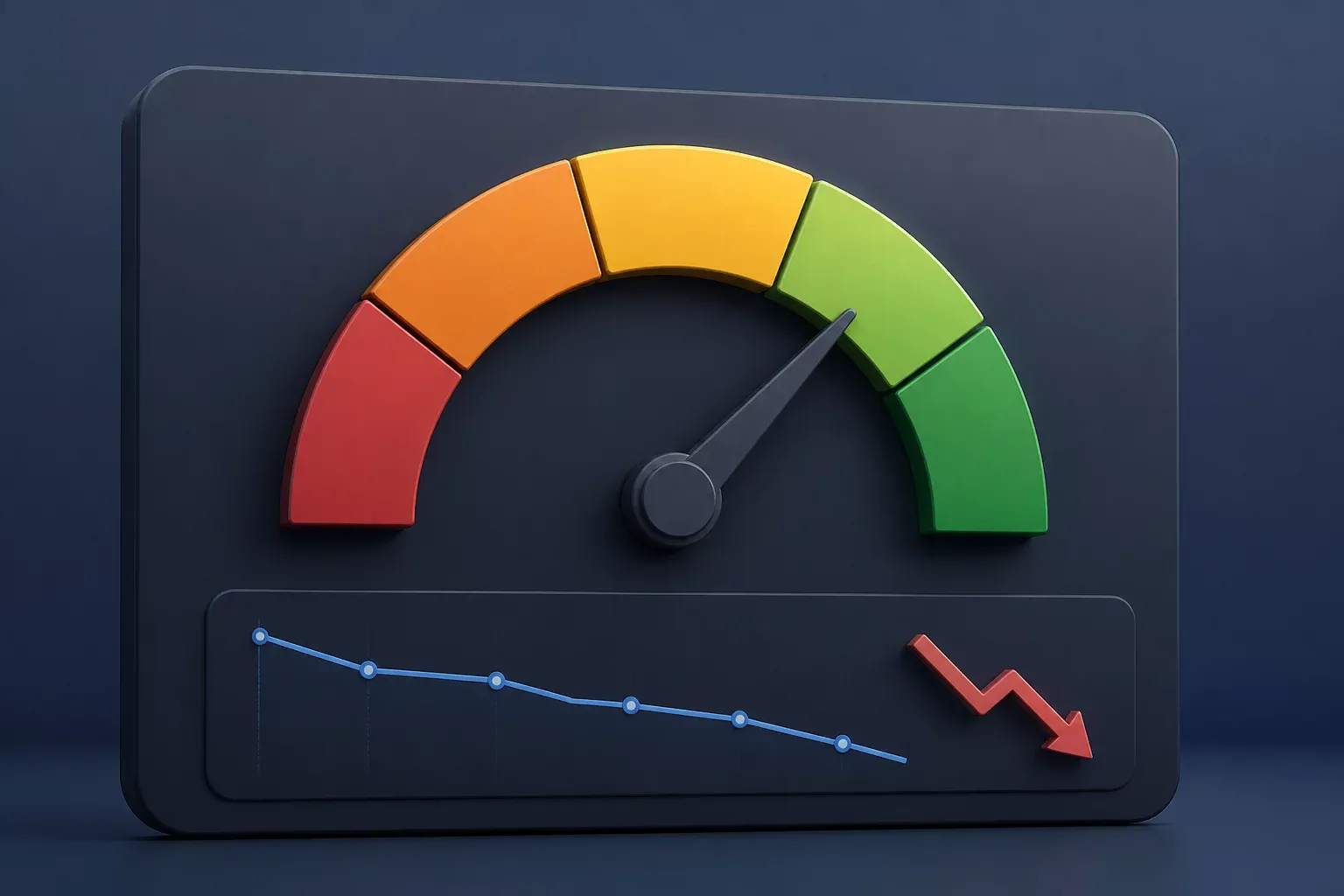
A credit score is a statistical summary of the information in your credit reports — a single number predicting the likelihood that a borrower repays as agreed. Lenders, landlords, insurers, and utilities use it to price risk, which is why the same borrower can receive dramatically different offers based solely on the score's position on the 300–850 scale.
No single score exists. Different models weigh the same report data differently, and each bureau's file can differ slightly — so a consumer legitimately holds dozens of valid scores at once. The widely used tiers: scores below the mid-600s are generally considered fair or poor, the mid-600s to mid-700s good, and above roughly 740 very good to excellent.
Scoring models convert report contents into a number using weighted categories. In the most widely referenced model, payment history weighs most heavily (about 35%), followed by amounts owed and utilization (about 30%), length of credit history (about 15%), new credit and inquiries (about 10%), and credit mix (about 10%). Exact weights are proprietary, but the hierarchy is consistent across models.
Scores update continuously as furnishers report new data — typically monthly. Recent activity outweighs old activity, which is why a fresh delinquency damages more than a decade-old one, and why consistent on-time months steadily rebuild after a setback.
The CFPB oversees credit reporting accuracy and requires bureaus to provide free weekly reports through AnnualCreditReport.com, a right expanded permanently under federal law. The FTC enforces the Fair Credit Reporting Act, which entitles consumers to dispute inaccurate information, know when a score caused adverse action, and receive free reports after denials.
Funditia explains scoring mechanics educationally; individual scoring formulas are proprietary to their developers, and no outcome for a specific profile is ever guaranteed.
Educational references: Consumer Financial Protection Bureau (consumerfinance.gov) and Federal Trade Commission (consumer.ftc.gov). Funditia is an independent educational publication and is not a credit card issuer, lender, or credit repair organization.
Receive unbiased educational guides on credit cards, credit scores, and consumer protection rules based on CFPB and FTC public resources, directly to your inbox.
What the three bureaus collect, how tradelines and inquiries appear, and the federal rights you hold over your own file.

From a blank file to a first score: secured cards, authorized user status, and credit-builder loans — and realistic timelines.

The five levers that move a score — payment history, utilization, limits, disputes, patience — ranked by impact and speed.